
Texture you
want to touch.
Flexible decorative panels. Discover how light, relief and form bring a surface to life.
Discover the materialStone in appearance.
Flexible in form.
Flex-Surfaces panels are flexible decorative coverings with the appearance of stone, concrete, wood or earth.
The available material sheet describes the base as modified clay material.
This is clay material modified for use as a decorative panel. Travertine, concrete and wood looks describe its appearance; the panel is not a solid slab of natural stone, concrete or wood.
The sheet gives no percentages for its constituents. Ask for the exact composition, thickness and weight of your chosen panel.
View the material compositionA different perspective
on surfaces.
From a flat wall to a gentle curve. A beautiful result begins with understanding the material.
Where can I use the panels?
Use the panels to bring character to walls, columns and interior details in homes, shops, hotels and hospitality spaces. For exterior facades and damp areas, choose a variant and installation system suited to that application.
View applicationsCan they cover existing tiles?
Yes, the panels can be installed over existing tiles. The tiles must be firmly bonded, and the surface must be clean, dry and level. Match the surface preparation and adhesive to the existing tiled wall.
How tightly can a panel bend?
The panels can follow a curve. How tight that curve can be depends on the finish, thickness and bending direction. Assess your intended shape with a sample of the selected panel and obtain its installation instructions.
What creates a harmonious finish?
A considered layout, a consistent texture direction and attention to joints, corners and edges. Define these details before installation.
Can the panels be used on ceilings or insulation boards?
For ceilings and insulated walls, the complete build-up matters: the panel, backing and fixing method must work together. Discuss the application in advance so you use a suitable, approved system.
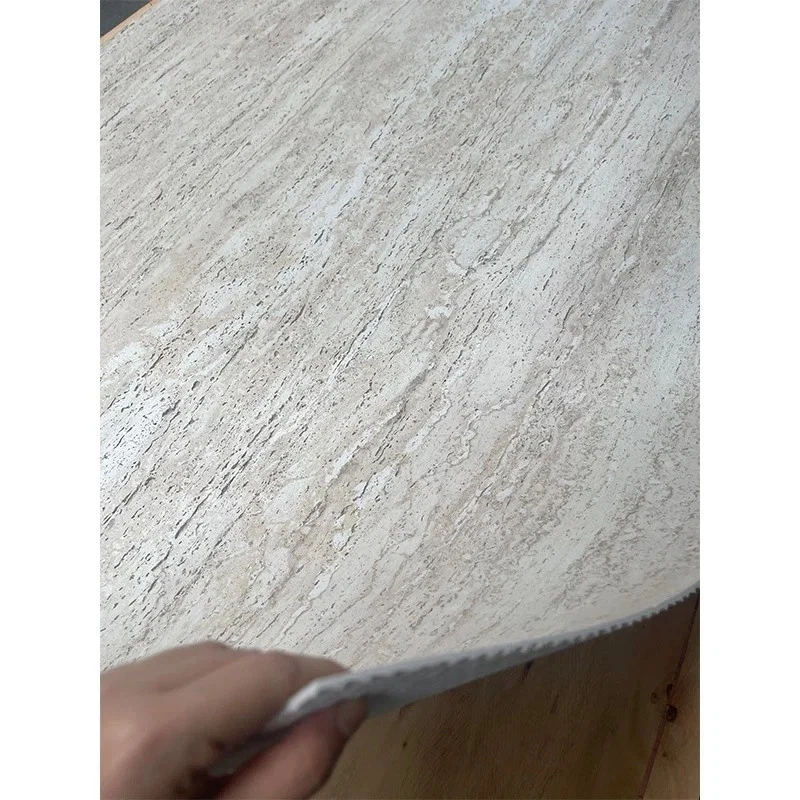
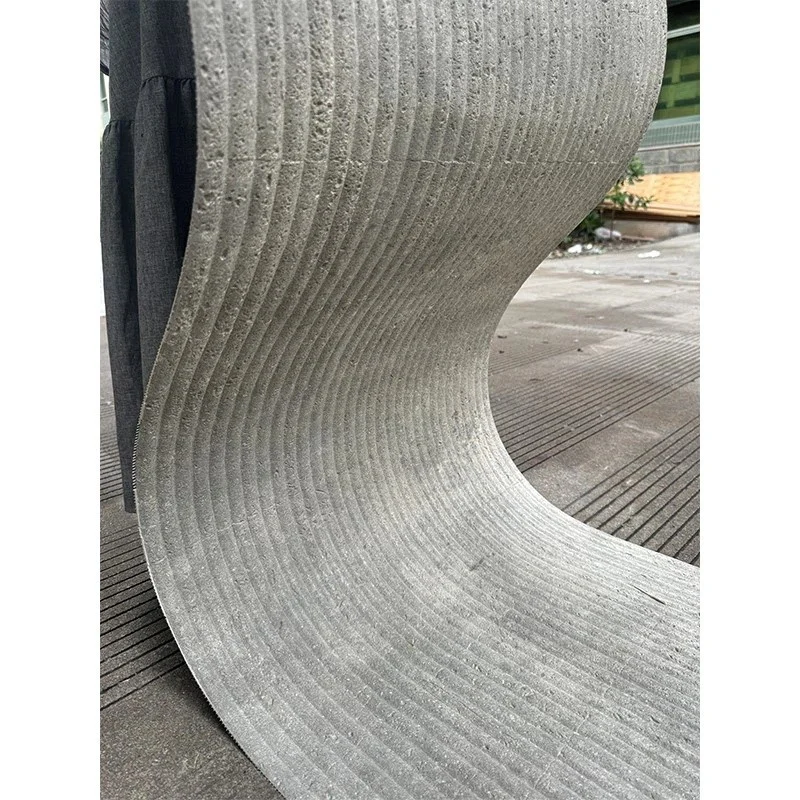
Material images from the presentation. The bend shown does not define dimensions for any specific variant.
Attention to
every detail.
A prepared substrate and careful installation help the texture come into its own. Match the method to the selected panel and adhesive system.
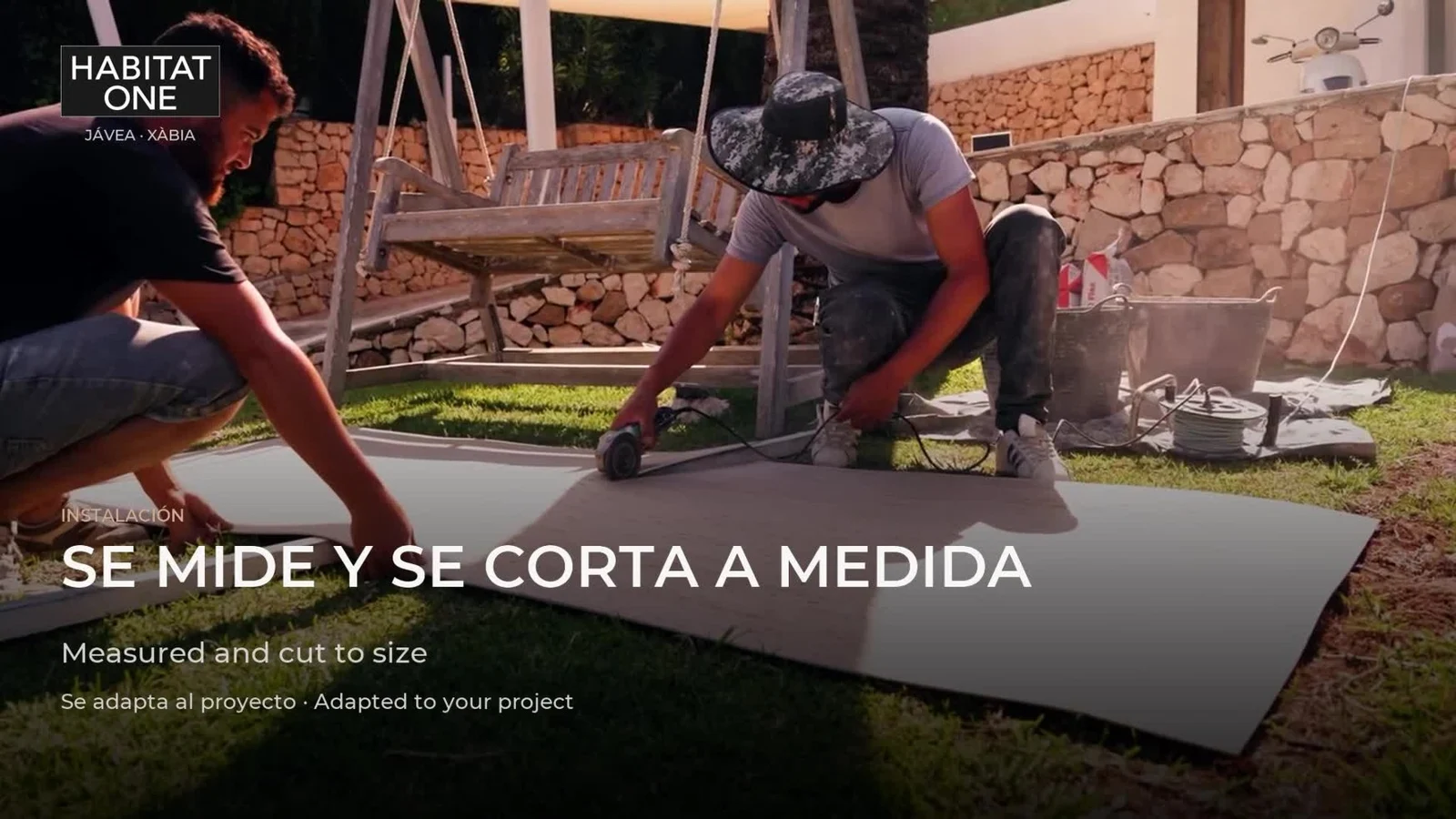
Measure, arrange and cut to size.
Check the substrate and plan the panel direction, joints and cut pieces before installation. Ask which cutting method suits the selected panel.
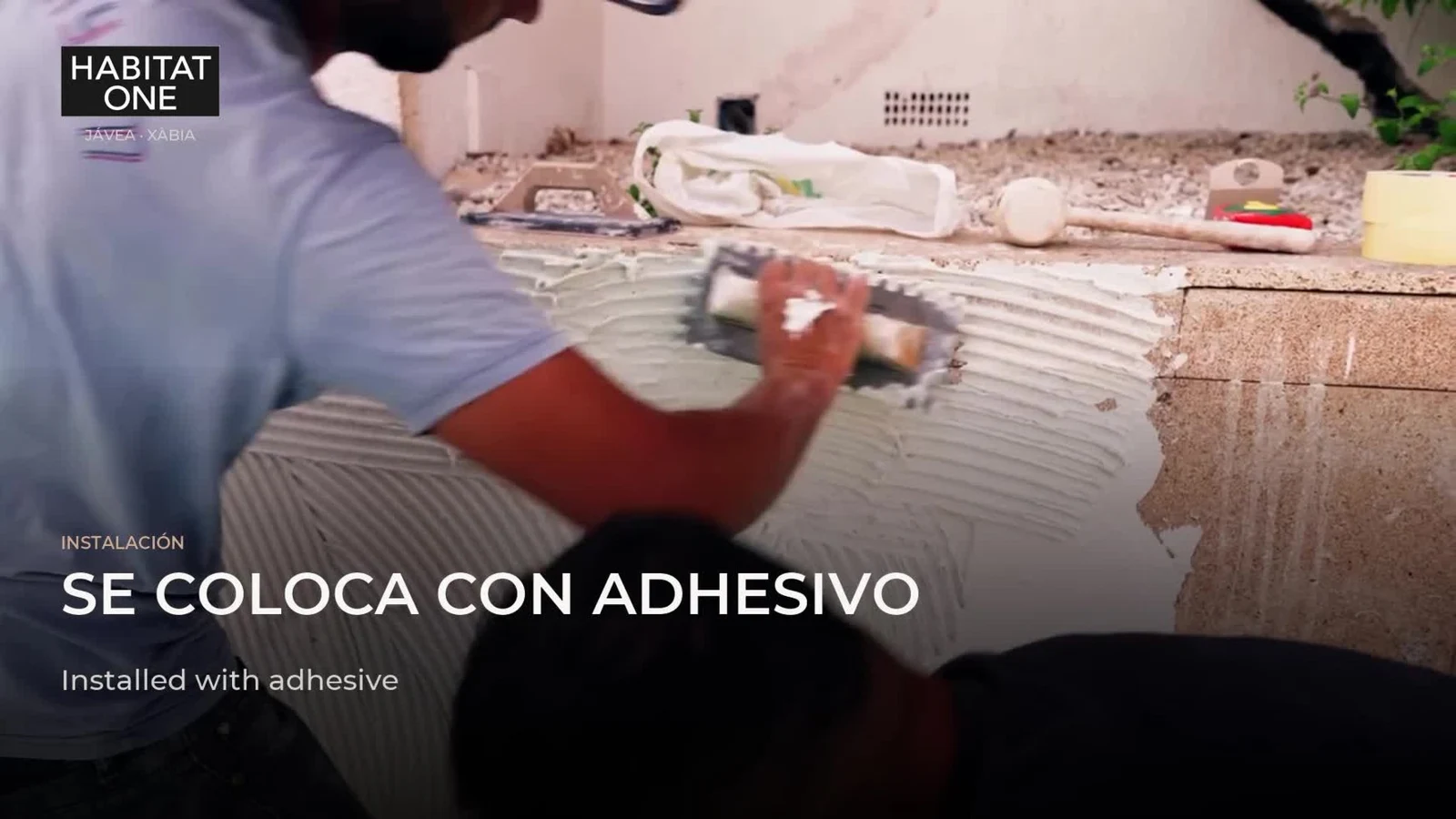
A coordinated adhesive system.
The general sheet specifies acrylic adhesive or an equivalent system. Have the choice confirmed for the panel, substrate and expected loads.
Plan the pattern in advance.
Review the complete layout, including joints, corners and openings.
Keep the surface clean.
Protect the relief during adjacent work and keep adhesive off the visible surface.
Detail the junctions.
Match edges and joints to the application. Wet areas also require a suitable waterproofing system.
Three sizes.
A clear starting point.
- 3000 × 1200 mm
- 1200 × 600 mm
- 900 × 600 mm
Available sizes vary by panel and colour variant. View the product page and coordinate the layout, joints and cutting with your project.
Find a stockistRefined in appearance.
Clear in every detail.
Good design begins with understanding the material. Review the available information and discuss the proposed build-up with your stockist.
View technical documentationMaterial information
| Material base | Modified clay materialAccording to the general material sheet |
|---|---|
| Panel sizes | 3000 × 1200 mm 1200 × 600 mm 900 × 600 mmView sizes for the selected colour variant |
| Adhesive fixing | Acrylic adhesive or equivalentMatch to the panel, substrate and application |
| Thickness & weight | Request by product code |
| Test results | Request the original report and applicable product codes |
Source: Habitat-One general technical material sheet. This is not a product-specific test report.
Colour, pattern
and character.
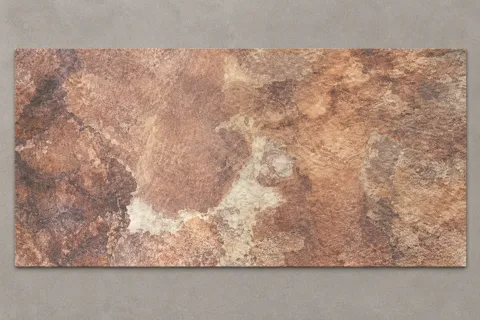
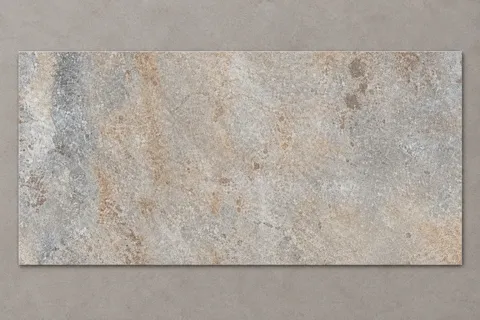
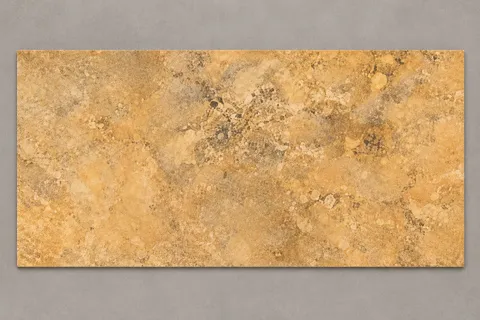
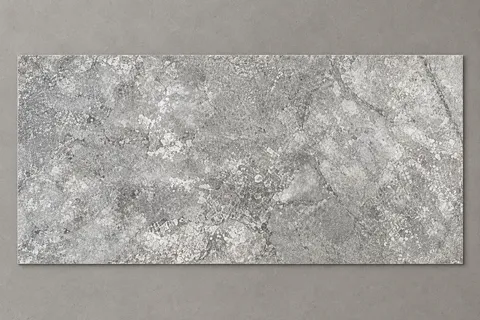
Explore seven texture families. Choose a material image or panel visualisation to view colour variants and matching images.
Travertine look
Layered patterns and gentle colour nuances.
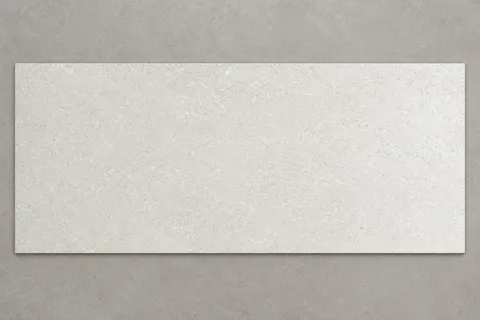 MS TravertinoBeige · MS-008Panel visualisation
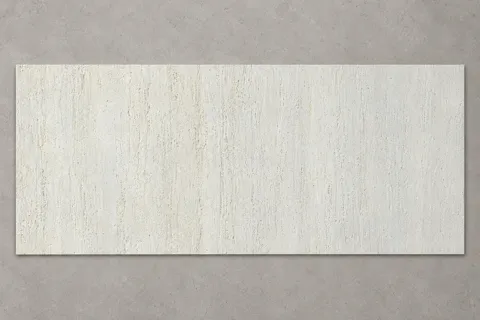 Roman Huge TravertineWhite-gold · MS-026Panel visualisation
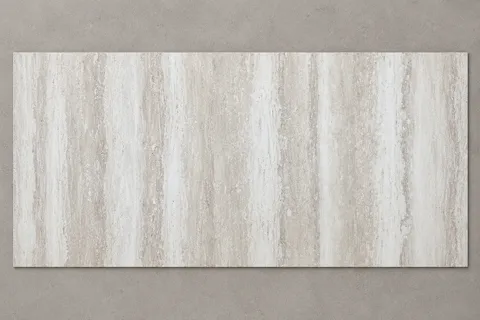 Linear TravertineRoman white · MS-033Panel visualisation
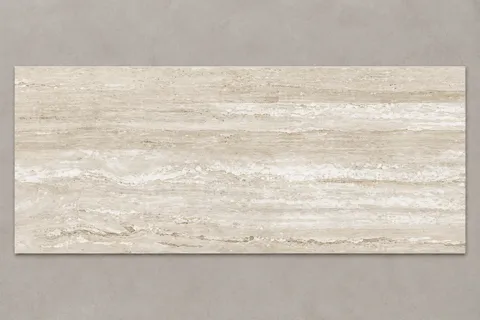 Italian TravertineItalian white · MS-042Panel visualisation
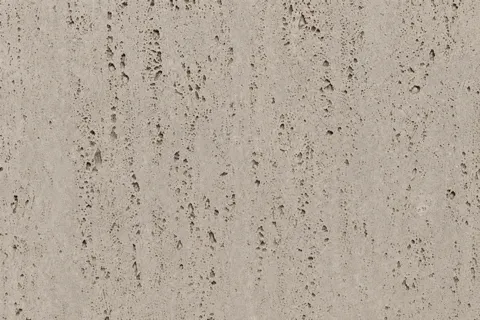 TravertineConcrete grey · MS-055Texture detail
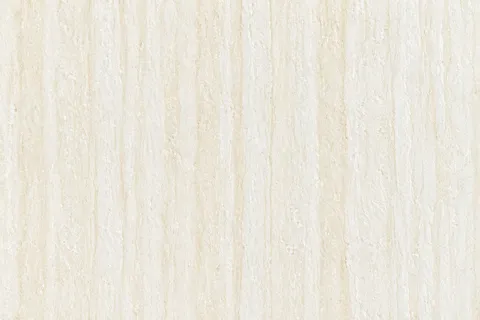 RomaniteCloudy yellow · MS-167Texture detail
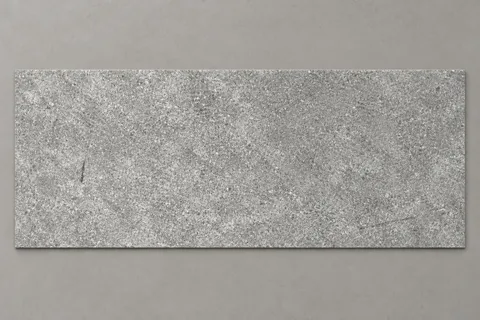
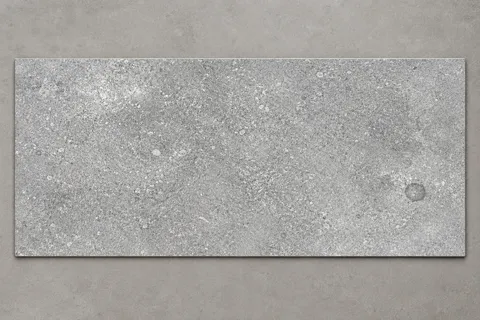
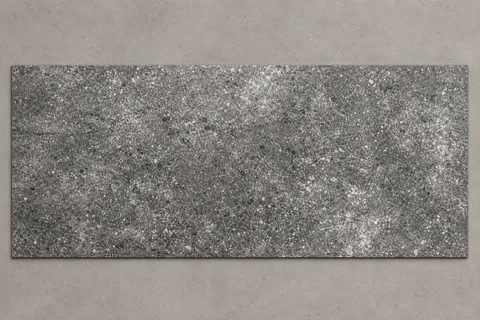
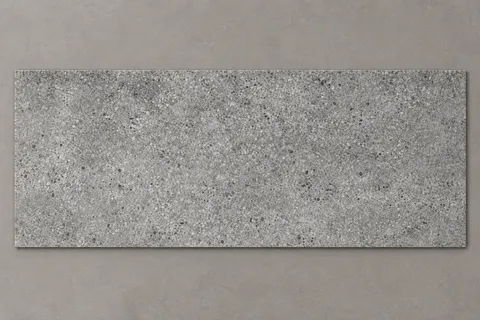
Stone textures
From a fine grain to pronounced rock relief.
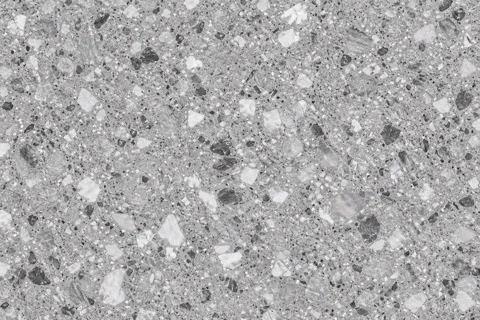
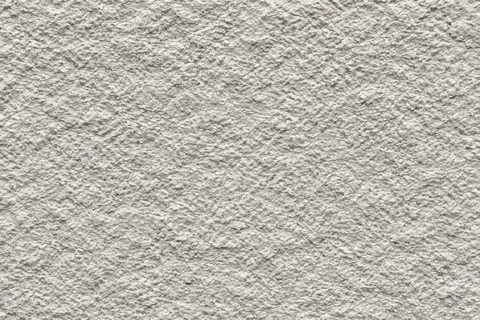
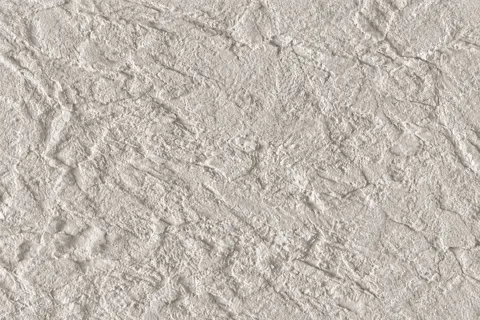
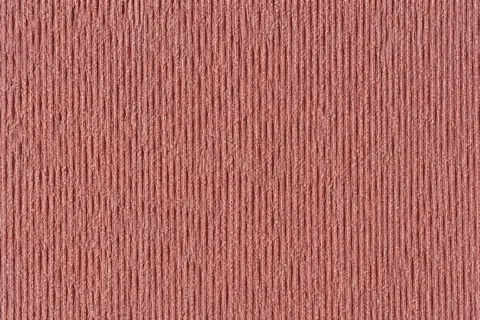
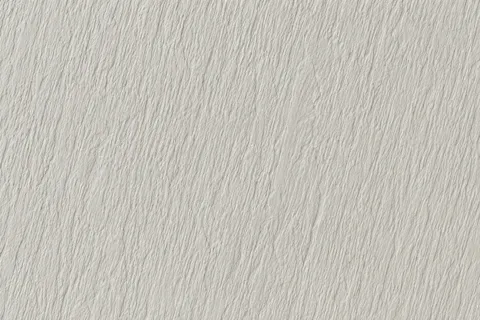
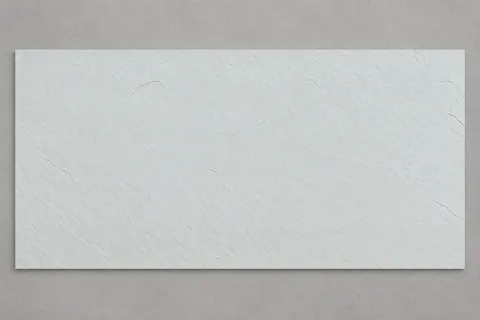
Concrete look
Quiet surfaces with subtle colour variations.
Linear textures and relief
A play of lines that changes with the light.
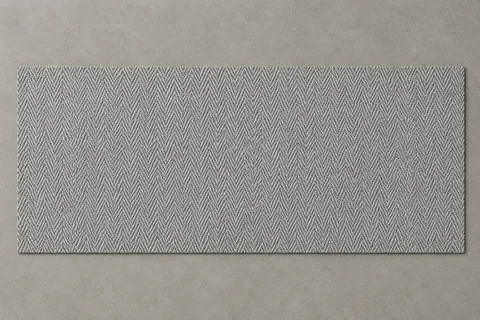 Big WeavingGrey · MS-260Panel visualisation
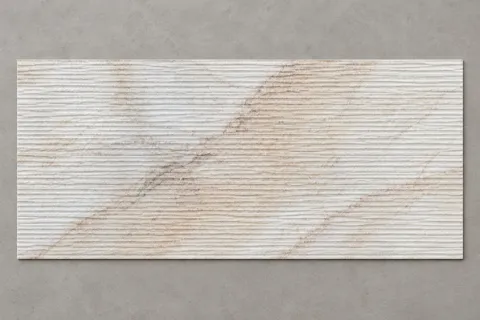 Dolomitic Marble PillarClaybank · MS-349Panel visualisation
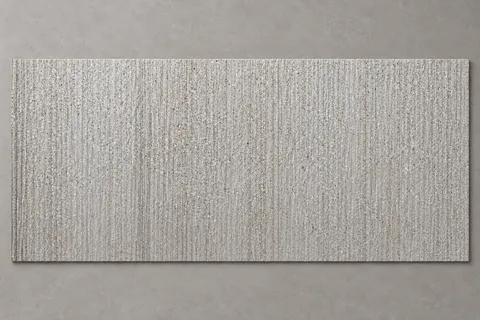 Italian Marble PillarRoman white · MS-350Panel visualisation
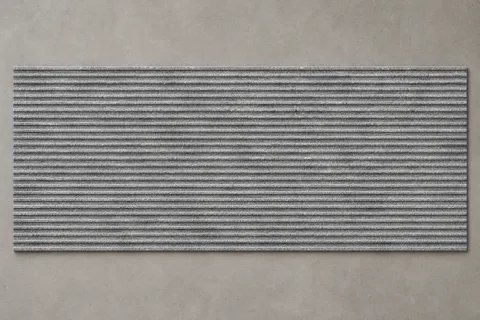 Ando Marble PillarCement grey · MS-351Panel visualisation
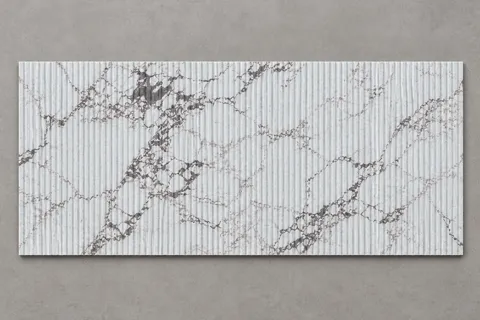 Bvlgari Marble PillarVariant MS-352 · MS-352Panel visualisation
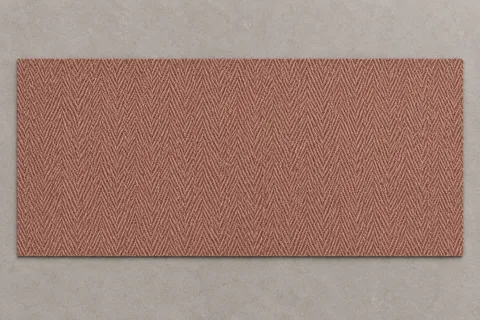 Big WeavingJacinth · MS-261Panel visualisation
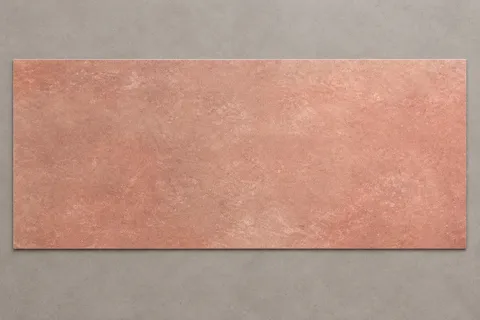
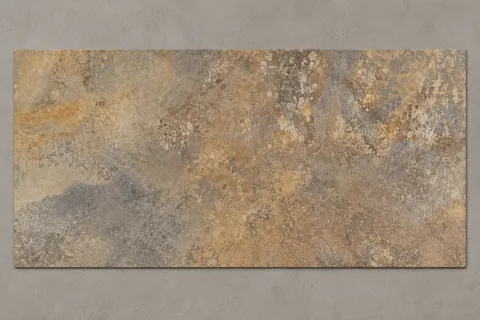
Earth textures
Warm colours and expressive patterns.
Wood look
Wood grain in a decorative panel.
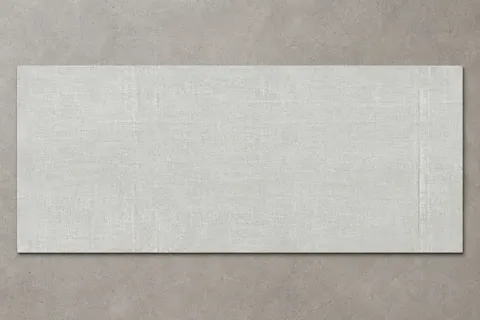 Wood-cement boardLight grey · MS-029Panel visualisation
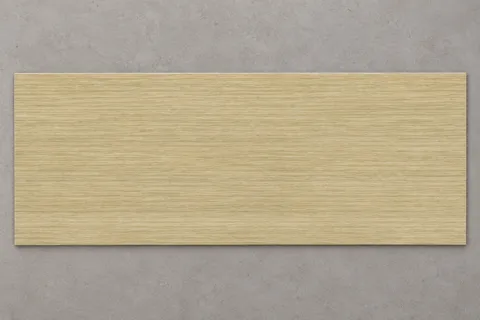 Crude Wood Ripple BoardLight yellow · MS-353Panel visualisation
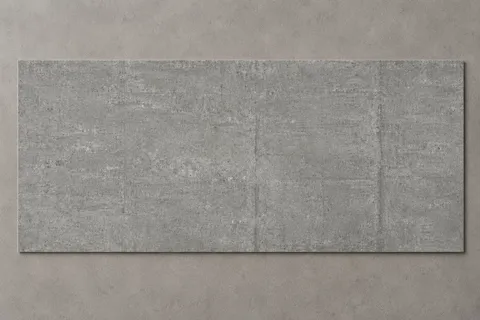 Wood-cement boardMid grey · MS-030Panel visualisation
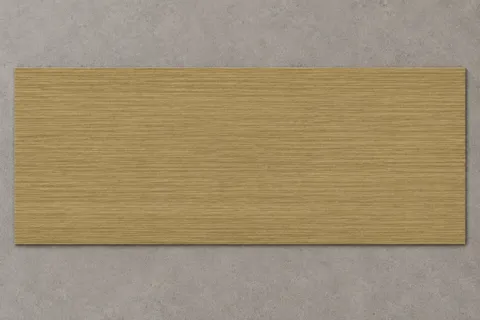 Crude Wood Ripple BoardYellow · MS-354Panel visualisation
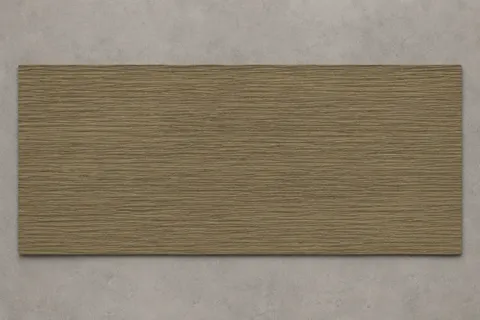 Crude Wood Ripple BoardLight brown · MS-355Panel visualisation
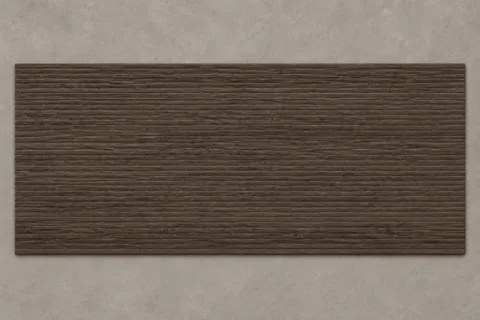 Crude Wood Ripple BoardDark brown · MS-356Panel visualisation
Marble look
From gentle nuances to expressive veining.
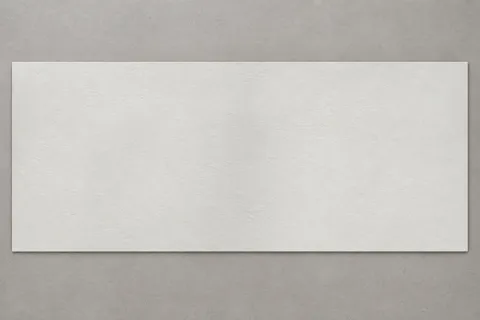
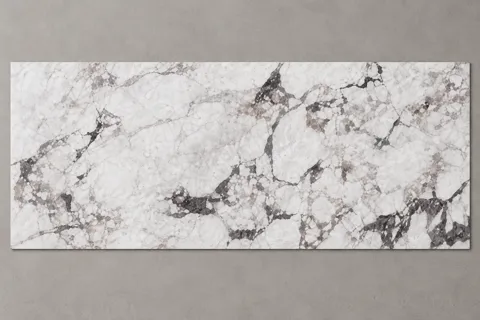
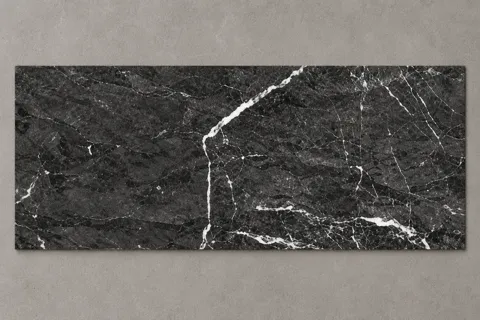
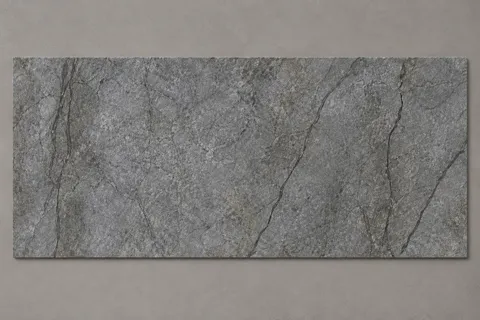
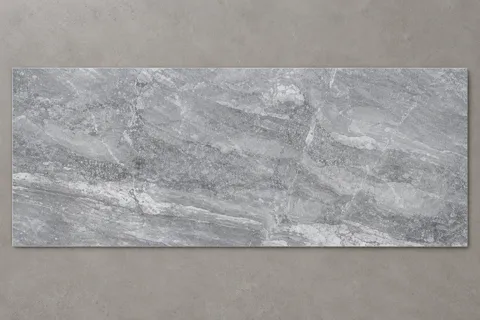
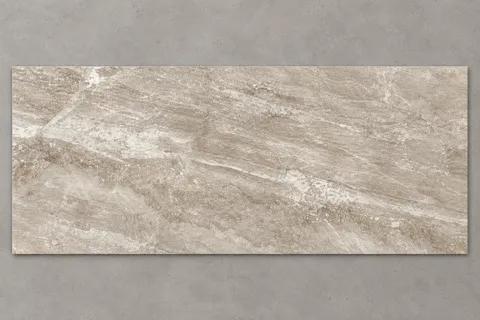
Colour and texture can appear different on a screen. Compare a physical sample in the light of your space.
View the full collectionTake the collection with you.
Browse the catalogues and available technical documentation.
View catalogues and downloads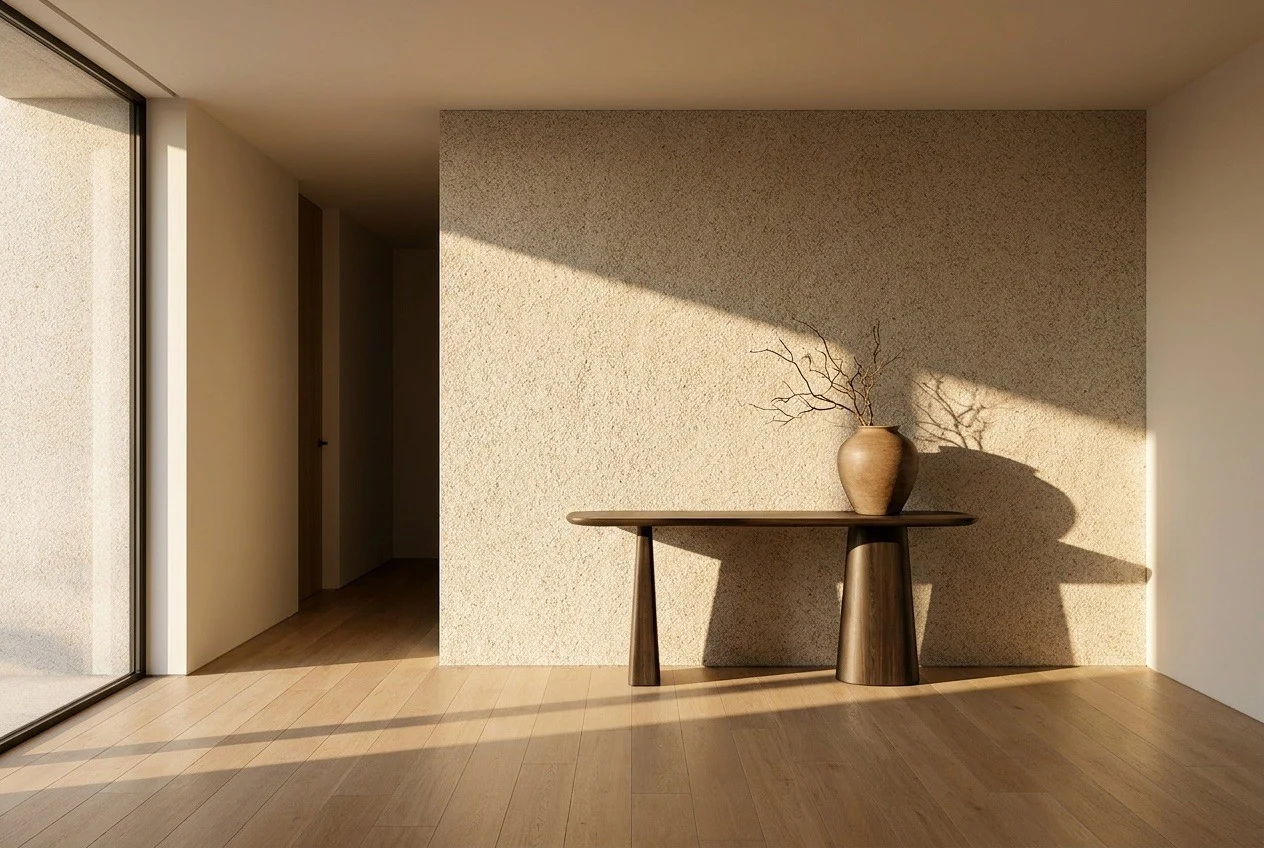
Experience the material
up close.
Find a stockist for information about the collection and the possibilities for your project. Check each location for available panels and displays.
Find a stockist